
 PDF Download
 PubReader
 Export Citation
 Email the Author
 Share Facebook
 Share Twitter
 Cited by 2 Articles
 Metrics (View:8,914)








Introduction
Meat is an essential component of the human diet (Hwang et al., 2025; Samad et al., 2024b). The global meat industry plays a critical role in food security, serving as a significant source of high-quality protein for billions of people (Wu et al., 2014). Now the world is producing 350 million tons of meat every year (Our World in Data, 2023) while the demand for meat is increasing with increasing population (Samad et al., 2025) and rising incomes, particularly in low- and middle-income countries (FAO, 2022). This surge in demand underscores the importance of maintaining a resilient and sustainable meat supply chain (Caccialanza et al., 2023). However, meat production involves more than just the generation of edible muscle tissue; it also involves the production of byproducts in considerable amounts, which can be used for many purposes (Gagaoua et al., 2024). It is estimated that 35%–40% of the live weight of slaughtered animals comprises byproducts such as blood, bones, skin, fat, and offal (Edgewood Locker, 2019). Further breakdown of meat byproducts is explained in Table 1.
Usually, these animal derivatives are considered cheap waste or used in less industrial processes (Irshad and Sharma, 2015). When managed improperly, they can make a remarkable contribution to environmental damage, such as the release of greenhouse gas, contamination of water and soil, and offensive smells (Singh and Rashid, 2017). Given the environmental scrutiny surrounding animal farming, improving waste management in the meat manufacturing sector has become an urgent priority (Fairr, 2019). Concerning these issues, world sustainability goals like the United Nations (sustainable development goals, SDGs) have highlighted the importance of decreasing food loss and supporting the use of circular resources (UNDP, 2015). One potential strategy for attaining these goals is valorizing meat industry residuals, which refers to converting waste animal byproducts into valuable products using physical, chemical, and biomanufacturing approaches. This strategy reduces the environmental impact and provides new financial opportunities in feed, food, therapeutic, and bio-based energy sectors.
Modern trends have indicated the ability of meat byproducts as the origin of functional protein, enzymes, gelatin, several bioactive products, eco-friendly plastics, and even bio-based diesel (Álvarez-Castillo et al., 2021). Furthermore, biochemical hydrolysis of livestock processing wastes can produce protein-hydrolyzed compounds with antioxidant and antimicrobial characteristics appropriate for nutritional supplements and other functional foods (Hartoyo et al., 2022). Similarly, skins and bones are progressively transforming into gelatin and the drug manufacturing industry (Rather et al., 2022). Simultaneously, blood plasma is combined with ground meat emulsions to refine appearance and water-holding ability (Jin and Choi, 2021).
Despite these opportunities, several issues prevent the large- scale use of valorization approaches. These comprise technical barriers, increased manufacturing and distribution costs, the consumer perspective of by-products-based ingredients, and changing regulatory policies in different regions (Henchion, 2018). To promote sustainable advancements in the meat industry, it is essential to have a comprehensive understanding of the various types of by-products generated, the available processing methods, their environmental and commercial benefits, and the challenges associated with their utilization.
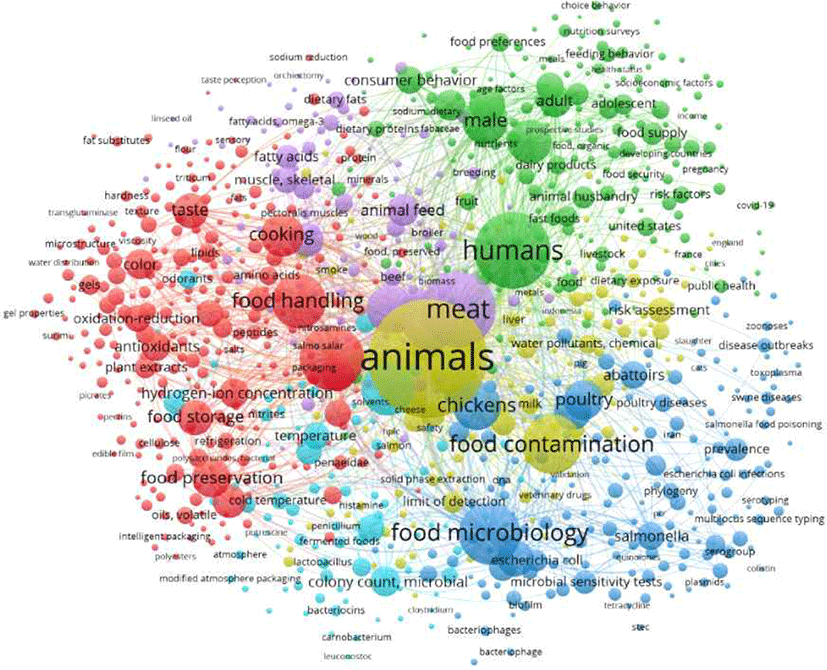
The valorization of meat byproducts is highly important, so several research studies have been done on the valorization of meat byproducts in the last 10 years, as shown in Fig. 1. This is generated from literature published over the past ten years on by-products in the meat industry. This review thoroughly analyzes the present condition and future abilities of the valorization of meat by-products. It examines the categorization and formation of by-products, points out available and emerging processing technologies, demonstrates the environmental and economic applications, and emphasizes the significant challenges and policy assessments.
Types of Meat Industry Byproducts and Their Composition
The residuals produced during meat processing can be generally categorized based on their structure and composition. A detailed understanding of them is necessary to identify the appropriate transformation pathway.
Blood comprises about 3%–5% of the live animal’s weight and contains proteins (about 17% dry matter), hemoglobin, iron, and biofunctional peptides (Hsieh and Ofori, 2011). It is often used in animal feed or processed to obtain plasma proteins utilized as emulsification and binding compounds (Samad et al., 2024a) in the food sector. However, increased spoilage risk demands fast processing or preserving techniques such as drying and aggregation.
Bones mainly consist of collagen fibers integrated in the mineral framework of calcium, phosphorus, and hydroxyapatite (Hong et al., 2022). About 10%–15% of an animal’s live weight consists of bones (Britannica, 2025). Gelatin and collagen extracted from bones are extensively used in cosmetics, food, therapeutic, and biomedical applications because of their biological suitability and functional characteristics (Jana et al., 2024). In addition, bone mineral powder is used as a nutritional supplement.
Cartilage and skin, full of elastin and collagen type I, signify another high-value stream (Ferraro et al., 2016). Their collagen content is utilized to create glycosylated collagen (Gómez-Guillén et al., 2011), gelatin, and biologically active peptides that support health, skin, and the functions of joints (Zdzieblik et al., 2021). In tissue-based engineering, these primary ingredients can be used as biomaterials (Zhai et al., 2025). Bovine gelatin is a byproduct from the meat processing industry and can be used for fabricating nanofibers using electrospinning techniques. Furthermore, incorporation of polyphenolic extracts like green tea into Gelatin based fiber fibers can significantly improve their functionality in meat packaging and preservation (Alam et al., 2025).
Animals comprise about 15%–20% of residual products. They are a valuable source of lipids for the production of biofuels (Hřebečková et al., 2025), manufacturing of soap (Uduma et al., 2025), and food compositions (Zhang et al., 2025). Fat can be processed and purified into rendered fat, which can also be used in pet nutrition and industrial uses.
Offal organs are the liver, lungs, kidneys, and other internal organs. Some internal organs are directly used in human foods, but the central portion is transformed into animal feed and refined for pharmaceutical applications (Abdel-baky et al., 2020). On a nutritional basis, internal organs are full of vitamins, minerals, and high-quality proteins.
Valorization Pathways and Technological Innovations
Recent advances in processing techniques have enlarged the ability to transform meat by-products into valuable products, supporting environmental sustainability and the growth of the economy (Limeneh et al., 2022).
Enzyme-based hydrolysis strategies facilitated the transformation of blood and internal organ proteins into biologically active peptides, demonstrating antioxidants, anti-hypertension, and microbe-inhibiting properties (de Castro et al., 2015). For example, protease-based hydrolysis of porcine-derived blood (Kim, 2022) produces peptides with effective Angiotensin- Converting Enzyme (ACE) inhibition potential that help manage hypertension. Fermentation using particular microbe-derived strains has also been analyzed to refine nutritional profiles and develop bioactive ingredients.
Conventional acid or alkali-based hydrolysis approaches for the extraction of collagen from skin and bones have been refined by combining enzyme-based treatments and unique green solvents (e.g., deep eutectic solvents) to increase production and purification while decreasing environmental impacts (Bisht et al., 2021). Gelatin from meat residuals is widely used as a thickening agent and in Coating techniques within the food and medical organizations (Rather et al., 2022).
The growing focus on sustainable energy has increased interest in transforming animal fats into bio-based diesel through trans-esterification (Yadav et al., 2025). In this process, triglycerides are changed into fatty acid methyl esters, which can replace petroleum diesel (Almutairi et al., 2025). Studies demonstrate that biodiesel derived from animal fats shows comparable engine efficiency with less emissions (Santos et al., 2015).
Meat byproducts such as blood and bone meals are traditionally processed into protein-rich animal feed, particularly for aquaculture and livestock (Woodgate et al., 2022). Advances in drying and pelletizing technologies have improved nutrient retention and feed safety, expanding market opportunities.
Emerging Green Technologies
Emerging valorization strategies leverage biotechnology and green chemistry (Sheldon, 2024). For example, microbial fermentation of byproduct hydrolysates produces single-cell proteins and enzymes with applications in food and industrial sectors (Bajić et al., 2022). Additionally, supercritical fluid extraction offers a solvent-free method to recover lipids and bioactives efficiently (da Silva et al., 2016). Further technologies for the processing of meat products are explained in Table 2.
Environmental and Economic Benefits
Transforming the meat industry’s residuals provides valuable environmental benefits:
Redirecting byproducts from landfills reduces methane emissions, soil contamination, and water pollution (Okpaga et al., 2024). This practice supports climate change mitigation efforts by lowering the carbon footprint of meat production. Moreover, it fosters the development of eco-friendly industries through the sustainable reuse of organic waste.
Maximizing the use of animal resources decreases pressure on land and water resources (Agricorn, 2023). It enhances overall production efficiency by utilizing inputs more effectively across the supply chain. Additionally, it contributes to food system resilience by diversifying the range of usable animal-derived products.
Utilizing fats for biofuels reduces reliance on fossil fuels, contributing to lower carbon emissions (Patel et al., 2025). This sustainable approach supports cleaner energy transitions and reduces the environmental footprint of the meat industry. Furthermore, the environmental benefits of meat byproduct valorization are discussed in Table 3.
In an economic context, this transformation generates new income sources for meat processors and decreases the cost of waste management. Gaining collagen from skin and bones leads to a billion-dollar global industry run by consumer demand from cosmetics, food, and therapeutic industries.
Challenges in meat byproduct valorization
Despite technological advancements, several factors restrict their adoption globally.
Food safety policies regulating products based on ingredients are strict and change with the area. Ensuring pathogen eradication, toxin removal, and association with standards is expensive and complicated (Alahi and Mukhopadhyay, 2017). In addition, environmental policies restrict emissions and waste discharge during manufacturing.
Negative opinions about the by-products are usually linked with low quality, influencing consumer consent to accept these (Lavranou et al., 2023). To overcome these challenges, consumer education about safety and benefits is necessary.
Diversity in the composition of products, seasonal patterns, and spoilage risk poses challenges for consistent processing and supply chain management (Zhu et al., 2022). Innovative preservation and logistics facilities are necessary, particularly in developing countries.
High expenses for advanced manufacturing equipment and changing market prices of transformed products raise financial challenges for manufacturers (Aspevik et al., 2017). Government-industry collaborations and subsidies may be more important in increasing investment.
Globally, policy systems vary in their strategy for using meat by-products. In Europe, strict policies regulate the utilization of animal by-products to avoid risks such as transmissible spongiform encephalopathies (EU, 2024). The U.S. Food and Drug Administration (FDA) in the USA similarly regulates the use of meat byproducts in food and feed applications. Market demand for sustainable and functional ingredients is growing, with consumers increasingly seeking eco-friendly products (Global Information, 2025). Valorized meat byproduct ingredients, especially collagen peptides and bioactive proteins, have gained traction in nutraceuticals and functional foods markets, signaling positive growth prospects. Furthermore, the regulatory framework in different regions is explained in Table 4.
Future prospects
As shown in Fig. 2, byproduct valorization depends on a few factors. These factors need to be addressed to improve prospects. Furthermore, these factors are briefly explained below.
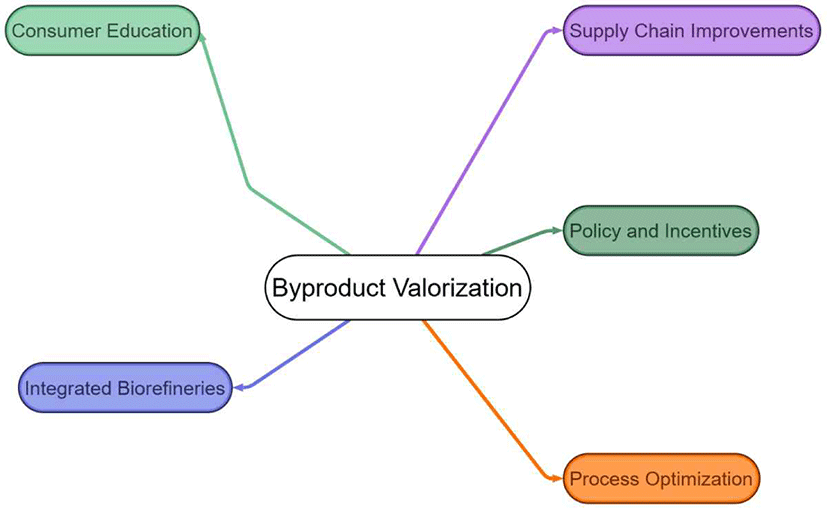
Research on low-cost, environmentally friendly extraction and conversion methods to improve the economic viability of byproduct utilization. These innovations aim to reduce processing costs while maintaining the quality and safety of the end products.
Developing facilities that process multiple byproduct streams into diversified product portfolios enhances resource efficiency and market adaptability. Such integrated systems support scalable operations and reduce overall production waste.
Crafting supportive regulatory policies and financial incentives to encourage valorization investments in byproduct valorization. These measures help reduce market entry barriers and stimulate innovation within the sustainable meat processing sector.
Conclusion
Meat industry byproducts represent a vast and underutilized resource that, if effectively valorized, can significantly enhance sustainability and economic resilience within the food sector. This review concludes that valorizing the meat industry byproducts is crucial for advancing environmental sustainability, economic resilience, and circular bioeconomic goals. The meat sector can reduce waste, minimize environmental harm, and unlock new economic opportunities by converting these residual materials into valuable proteins, bioactives, fuels, and functional ingredients. Technological advancements have unlocked numerous pathways to convert these byproducts into valuable proteins, bioactive compounds, biofuels, and functional ingredients. Overcoming regulation, consumer perception, and cost challenges will require integrated, multidisciplinary approaches. Valorization aligns with circular economy principles and global sustainability goals, underscoring its strategic importance in the future of food systems.


