

Introduction
The global food industry faces unprecedented challenges driven by increasing consumer health consciousness, sustainability concerns, and growing demand for functional foods. Recent studies demonstrate that while consumers increasingly seek healthier and more environmentally friendly food alternatives, actual product selection and preferences continue to be primarily determined by sensory attributes such as taste, aroma, and texture (Khezerlou et al., 2025). Traditional meat products serve as excellent protein sources but are associated with various health concerns due to their high saturated fat content, excessive sodium concentrations, and limited dietary fiber (Geiker et al., 2021; Mishra et al., 2023). Against this backdrop, researchers are exploring innovative approaches to enhance the nutritional and functional characteristics of meat products by incorporating plant-derived ingredients (Mishra et al., 2023). Multiple studies demonstrate that mushrooms possess a dual capacity as both waste converters and functional food resources, being able to transform lignocellulosic waste into beneficial human food while generating various bioactive compounds that promote health (Fitsum et al., 2025; Kumla et al., 2020). Among these, edible mushrooms are gaining particular attention as promising alternative food ingredients due to their unique nutritional composition and bioactive components. Das et al. (2021) reported that mushrooms are rich sources of important nutrients and bioactive compounds, including proteins, fibers, vitamins, minerals, and nutraceuticals, while being low in calories, sodium, fat, and cholesterol. Integrating mushroom powder into meat products offers advantageous effects in three aspects: nutritional enrichment, improvement of technological processing characteristics, and cost reduction through partial meat replacement. Among them, oyster mushroom (Pleurotus ostreatus) has received considerable attention in recent decades due to its outstanding nutritional properties and ease of cultivation (Philippoussis et al., 2001; Torres-Martínez et al., 2022). Studies have shown that meat products incorporating oyster mushrooms provide practical possibilities to develop health-oriented products with enhanced functionality, while maintaining consumer acceptability.
Role of Edible Mushrooms as Functional Food Ingredients
According to researchers, P. ostreatus could be an important protein source for meat products, with protein content ranging from 7.3% to 53.3% (Table 1). Compared to alternative food resources, oyster mushroom provides a complete protein structure containing all nine essential amino acids, making them evaluated as a suitable ingredient alternative to animal protein (Torres-Martínez et al., 2022). These excellent nutritional values originate from the unique composition of the oyster mushroom, which includes high-quality protein rich in essential amino acids, dietary fiber, vitamins, and minerals. These components can supplement or enhance the nutritional characteristics of traditional meat products. When oyster mushroom powder is applied in meat processing, it improves physical characteristics such as moisture content, water holding capacity, springiness, and color (Jung et al., 2022; Mazlan et al., 2020; Wan Rosli et al., 2011). Oyster mushroom is effectively used as a meat replacer and extender due to their umami flavor, meat-like texture, and inherent similarity to meat characteristics (Mazlan et al., 2020; Singh et al., 2023). Particularly, amino acids such as aspartic acid and glutamic acid enhance the umami flavor (Boro et al., 2025).
| Nutrient | Oyster mushroom | Beef (lean, cooked) | Pork (ground, raw) | Chicken (ground, with additives, raw) | References |
|---|---|---|---|---|---|
| Energy (kcal/100 g) | 38 | 219 | 233 | 138 | USDA ARS (2023) |
| Protein (g/100 g) | 2.41 | 27.3 | 17.8 | 17.9 | |
| Total fat (g/100 g) | 0.31 | 10.5 | 17.5 | 7.16 | |
| Saturated fat (g/100 g) | 0.12 | 4.68 | 6.28 | 1.56 | |
| Dietary fiber (g/100 g) | 3.0 | 0.0 | 0.0 | 0.0 | |
| Iron (mg/100 g) | 0.34 | 3.53 | 0.79 | 0.59 | |
| Potassium (mg/100 g) | 420 | 283 | 318 | 302 | |
| Vitamin D (mg/100 g) | 2.8 | 0.0 | 0.0 | 0.0 |
Oyster mushrooms are rich in minerals, including iron, zinc, calcium, and magnesium (Effiong et al., 2024). Iron-fortified oyster mushrooms play a significant role in preventing iron deficiency, with iron bioavailability (21.68%) comparable to that of meat sources (Pandey et al., 2020). Oyster mushroom helps preserve the inherent iron content of meat while contributing to or preventing iron deficiency (Pérez-Montes et al., 2021).
Multiple studies have confirmed that oyster mushrooms contain various bioactive components, including polysaccharides (α-glucan and β-glucan), functional proteins, enzymes and peptides, phenolic acids, and flavonoids (Lesa et al., 2022; Mishra et al., 2021). These components provide the basis for health-promoting effects related to oyster mushroom consumption, including antioxidant, antimicrobial, and immunomodulatory activities. Oyster mushroom is an edible mushroom with excellent antioxidant activity, with effects mainly attributable to polyphenolic compounds and other bioactive components (Chilanti et al., 2021; Lebeque et al., 2018). Tokarczyk et al. (2023) reported that polyphenol content significantly increased in burger products supplemented with oyster mushrooms, thereby positively affecting antioxidant capacity in meat products. The addition of oyster mushrooms rich in polyphenolic compounds to the burgers enhanced the antioxidant properties of the products (Fig. 1).
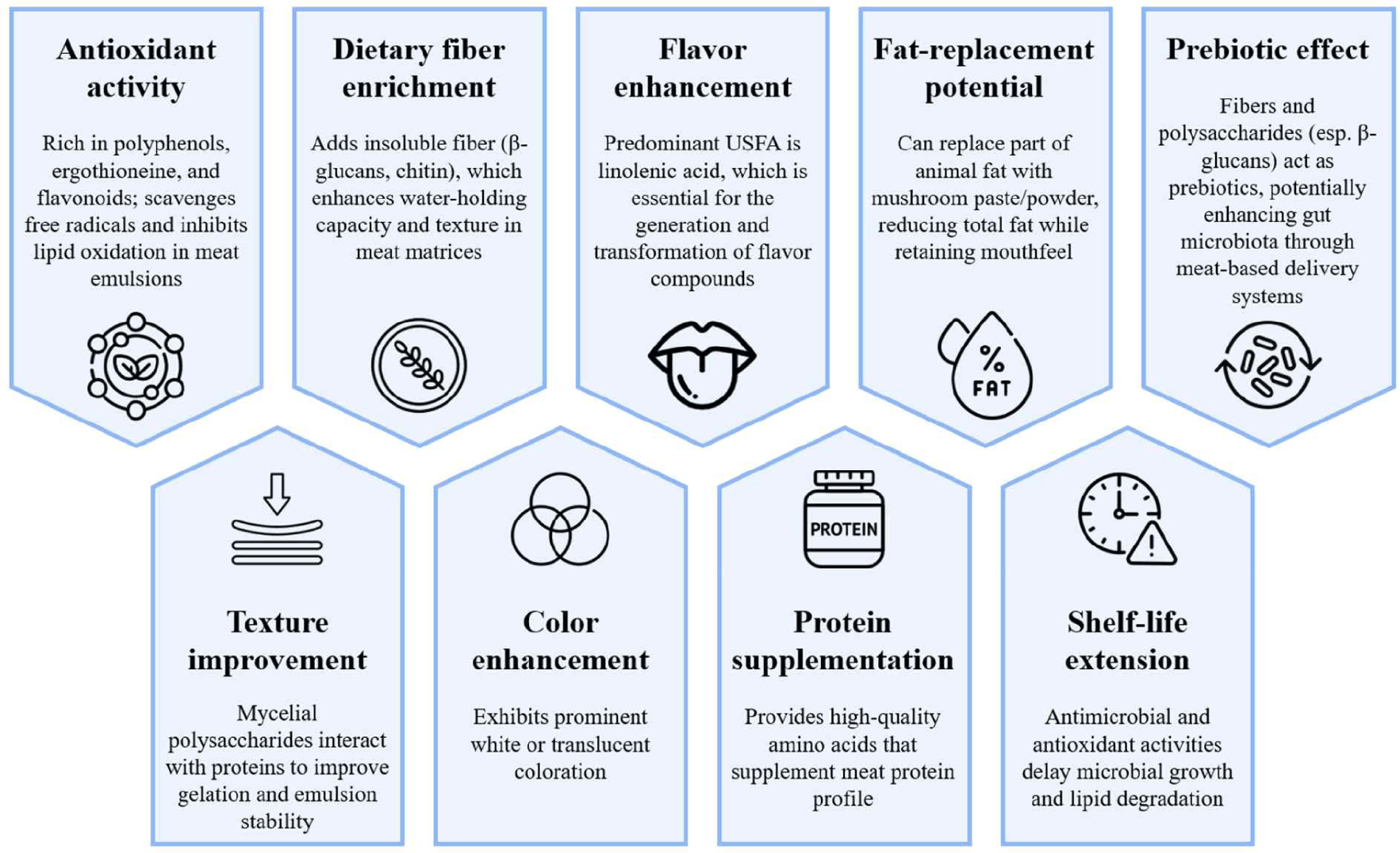
Additionally, oyster mushrooms exhibit antimicrobial and preservation properties. Studies have shown that addition of oyster mushrooms to sausage products improved storage stability of the products, through reduced lipid oxidation and enhanced antioxidant properties during refrigerated storage (Boylu et al., 2024; Cerón-Guevara et al., 2020a). This suggests that oyster mushrooms function as a natural preservative, providing possibilities to reduce the use of synthetic additives in meat products.
According to research, mushroom cultivation is evaluated as an economical and sustainable biotechnology that can convert various lignocellulosic wastes into high-value food ingredients (Sánchez, 2010; Kumla et al., 2020). Oyster mushrooms have steadily risen in commercial value worldwide due to their simple cultivation conditions, high nutritional value, and diverse applicability. Mushroom cultivation represents an effective approach for transforming environmental waste into alternative nutritious food sources, with oyster mushrooms demonstrating a remarkable ability to break down lignocellulosic residues from agricultural fields and forests (Philippoussis et al., 2001).
Various agricultural substrates have been evaluated for oyster mushroom cultivation. Studies have shown that different substrates, including cotton waste, wheat straw, and sawdust, can be successfully used for cultivation, with varying yields depending on substrate composition (Akcay et al., 2023; Philippoussis et al., 2001). The fact that agricultural waste can be used as a cultivation substrate is also an important advantage in terms of cost reduction when applying oyster mushroom powder in the food industry. Aditya et al. (2024) reported that cultivating oyster mushrooms presents an economically feasible and environmentally friendly method of transforming waste materials into highly nutritious food. Oyster mushrooms show excellent growth performance on perishable organic matter, with cultivation being largely determined by the availability and utilization of cheap by-products and waste materials (Argaw et al., 2023). This strengthens its potential as a raw material suitable for mass production and industrialization in the meat processing industry.
Nutritional Characteristics of Oyster Mushroom and its Application as a Functional Food Ingredient
Oyster mushroom (P. ostreatus) has very promising potential as a food ingredient for improving the functionality of meat products. According to Rohmawati et al. (2019) oyster mushroom-based analog sausage formulation experiment showed that a component composition of 14% protein, 11.22% fat, 44.24% moisture, 6.02% crude fiber, 2.37% ash, and 27.29% carbohydrate demonstrated its potential as a meat alternative or fortified meat product with a balanced macronutrient ratio.
Meaningful nutritional improvements were also observed in research applying oyster mushrooms to chicken patties. Wan Rosli et al. (2011) found that when 25% of chicken was replaced with Pleurotus sajor-caju, the protein content of 17.46% was not statistically significant compared to the control group (18.13%), but protein concentration significantly decreased with 50% replacement. The increase in dietary fiber content was particularly notable. Products with 50% minced oyster mushroom added to chicken patties had the highest total dietary fiber (TDF) content at 4.90 g/100g, while the 25% addition group recorded 3.40 g/100g and the control group 1.90 g/100g. This demonstrates that oyster mushrooms can supply dietary fiber and are a suitable material for developing functional meat products that meet daily intake recommendations (Wan Rosli et al., 2011). It suggests that oyster mushroom application at appropriate addition levels can maintain product quality while improving nutrition.
The bioactive functions of oyster mushrooms extend beyond simple nutritional supply. Antioxidant capacity is particularly noteworthy, with Tokarczyk et al. (2023) reporting that burger products supplemented with oyster mushrooms showed improved antioxidant capacity and increased sensory appeal. Additionally, along with a reduction in product fat content, lipid oxidation inhibition effects were observed, providing advantages for manufacturing healthier meat products.
Oyster mushroom cultivation is considered an agricultural system that simultaneously satisfies economic efficiency and sustainability (Amarasinghe et al., 2025). This mushroom has an excellent ability to convert agricultural and industrial by-products (sawdust, rice straw, corn husks, etc.) into nutritious food, contributing to resource circulation and environmental conservation (Girmay et al., 2016). Research results showed possibilities for oyster mushroom cultivation using various waste substrates. For example, various substrates such as cottonseed, paper waste, sawdust, and straw can be used for cultivation, and among them, cottonseed and wastepaper substrates recorded the highest biological efficiency and yield (Girmay et al., 2016). Oyster mushroom cultivation is possible indoors year-round, and home cultivation is easy, providing opportunities for farm income generation (Barh et al., 2019). Particularly, the low production cost and scalable cultivation potential of P. ostreatus have been identified as key drivers for its industrial applicability in food systems (Ayuso et al., 2025).
Application Cases of Oyster Mushroom in Meat Products and Technical Considerations
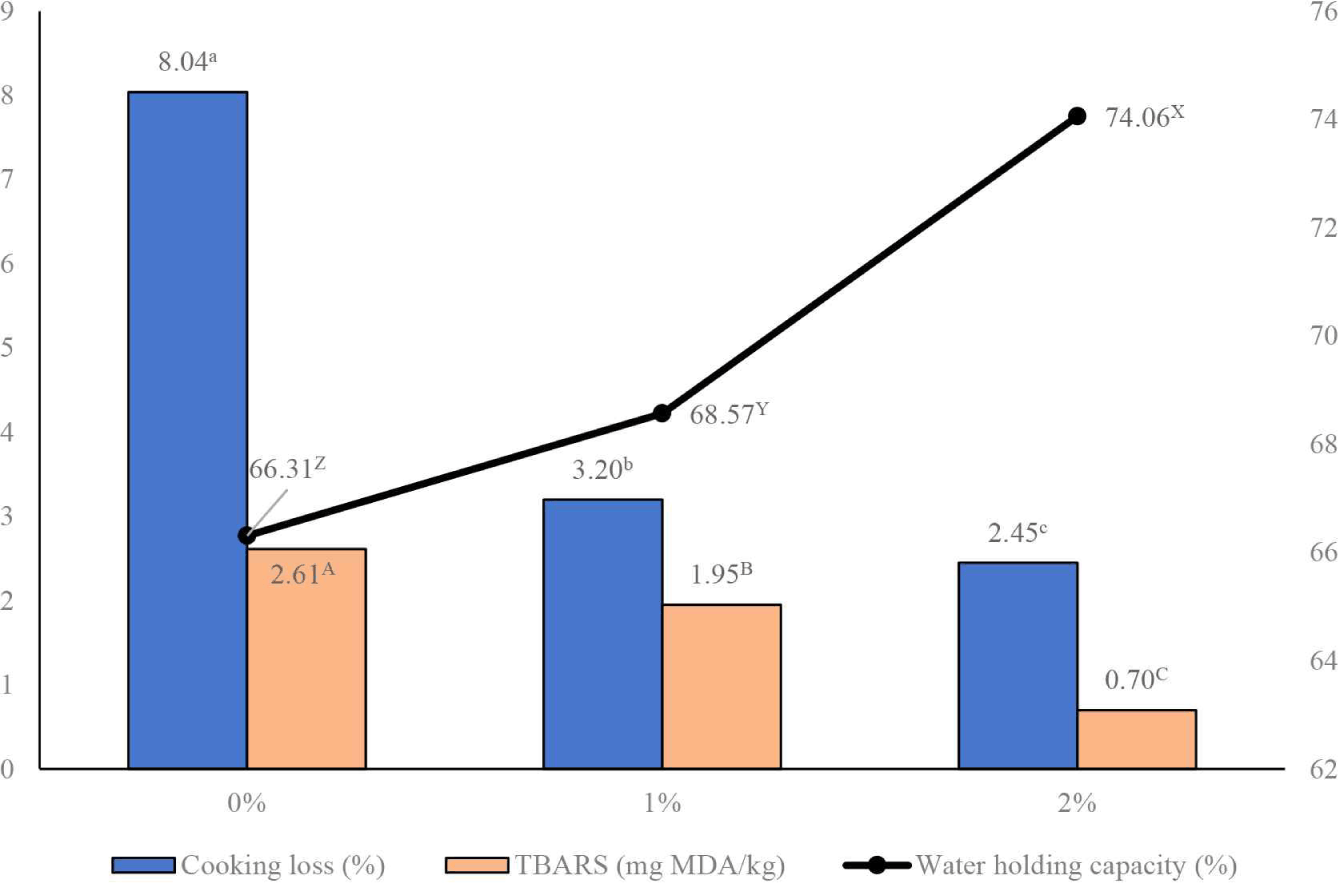
According to experiments, meat products containing 2% oyster mushroom powder showed higher complex viscosity and emulsion stability compared to other samples (Jung et al., 2022). These results indicated that oyster mushroom powder plays an important technical role in designing optimal integration levels and processing parameters within meat products. Oyster mushrooms are receiving attention as a health-oriented food material that is rich in highly biologically valuable protein, dietary fiber, and bioactive compounds (Jung et al., 2022). Jung et al. (2022) evaluated the effects of oyster mushroom powder supplementation at levels of 0%, 1%, and 2% on the emulsion stability of meat products using dynamic rheological measurements and recovery test. According to these results, oyster mushroom powder decreased various technical characteristics of meat products, such as protein, fat, ash content, pH, hardness, adhesiveness, chewiness etc., while simultaneously increasing moisture, amino acids, lightness, springiness, and water holding capacity. These results suggest that oyster mushrooms are very effective as a functional material that can supplement the structural characteristics and storage stability of conventional meat processing materials. Oyster mushrooms in various forms are used to develop fortified functional foods. P. ostreatus was incorporated in various forms, such as powder after drying and grinding, fresh after steaming and centrifuging, flour after boiling in water, aqueous extract, and cell-free extracts of mushrooms. Moreover, their concentration, waste, and bioactive compounds can be incorporated into meat products (Bulam et al., 2022).
The addition of oyster mushroom powder positively affects taste and texture aspects while improving product nutritional quality (Jung et al., 2022). Particularly, functional effects extend beyond simple nutritional component improvement to product quality and shelf-life extension. According to Tokarczyk et al. (2023), products added oyster mushrooms showed decreased final fat content and increased inhibition of lipid oxidation. This is very advantageous for developing products with two benefits simultaneously, such as fat content reduction and improvement of oxidation stability and can provide practical help in improving the long-term preservation of health-oriented meat products. Additionally, products with 2% oyster mushroom powder added showed increased protein adsorption at the fat interface, forming a sophisticated emulsion structure, which consequently led to improved texture and reduced cooking loss (Jung et al., 2022). Such emulsion stability improvement is a core technical element for formulation optimization and quality maintenance of functional products.
Oyster mushroom powder is being successfully applied to various meat products, with sausages being the most actively researched item. Jung et al. (2022) reported the possibility of oyster mushroom addition up to 2%, developing innovative oyster mushroom-based sausage products optimized based on protein, antioxidant activity, total phenol content, cohesiveness, energy, fat, hardness, adhesiveness, etc. (Table 2).
| Product type | Mushroom addition level (%) | Observed functional outcomes | References |
|---|---|---|---|
| Emulsion type sausage | 1, 2 |
- Improved emulsion stability - Increased viscosity - Enhanced water-holding capacity - Replaced phosphate usage |
Jung et al. (2022) |
| Beef burger | 5, 10, 15 |
- Reduced fat content - Maintained texture and color - Increased juiciness - Improved flavor and consumer acceptability |
Patinho et al. (2021) |
| Beef patty | 20, 40, 60, 80 |
- Improved WHC and cooking loss - Negative effect on sensory properties and storage stability |
Park et al. (2023) |
| Frankfurter sausages | 2.5, 5 |
- Resulted in softer and less cohesive sausages - Lowered color, flavor, and taste scores |
Cerón-Guevara et al. (2020b) |
Rohmawati et al. (2019) manufactured analog sausages with a formulation combining 75 g tempeh, 75 g white oyster mushroom, and 6g carrageenan. The result of the chemical composition of the product was 14% protein, 11.22% fat, 44.24% moisture, 6.02% crude fiber, 2.37% ash, and 27.29% carbohydrate, respectively. Burgers also have high application potential. Tokarczyk et al. (2023) reported that oyster mushrooms contributed antioxidant properties and sensory appeal of the products, showing positive results in terms of consumer preference and quality maintenance.
Sensory Characteristics and Consumer Acceptance
Research on the sensory characteristics of mushrooms includes various sensory expressions beyond simply “umami” (Oh et al., 2024). For example, expressions such as fermented, yeasty, moldy, earthy, crispy, firm, sweet, savory, moist, and salty have been used as sensory descriptors related to various types of mushrooms (Jiang et al., 2023). When oyster mushroom is added to meat products, the complex flavors and textures show multilayered effects on the overall sensory characteristics of the products. Jung et al. (2022) reported that sensory evaluation of sausages with 2% P. ostreatus addition recorded superior scores in flavor and aroma, and the overall preference of the product was higher than the control group (Fig. 2). This result suggests that positive maximization of sensory characteristics is possible at specific addition ratios. However, Tokarczyk et al. (2023) noted that burgers with 10% oyster mushroom addition had the highest acceptability score (4.86 points), while the 20% addition group showed a lower score (3.57 points). Consistent with these observations, Fig. 2 indicates that water-holding capacity increased up to 2% addition. This trend supports that moderate incorporation levels may provide an optimal balance between sensory appeal and technological functionality, emphasizing the importance of appropriate formulation design.
Consumer acceptability is generally evaluated through hedonic tests, which quantitatively measure not only overall preference but also likes and dislikes for individual sensory characteristics (flavor, aroma, texture, etc.; Fiorentini et al., 2020). Descriptive analysis is used to describe the sensory profile of products qualitatively and quantitatively, and it is effective in distinguishing subtle differences between products (Siddiqui et al., 2023). Traditional sensory analysis is broadly divided into analytical and affective methods. Analytical evaluation includes discriminatory and descriptive evaluation, while affective evaluation is divided into preference tests and hedonic tests (Ruiz-Capillas et al., 2021). These evaluation methods were utilized in various studies on mushroom-enriched meat products, with sensory characteristics highly evaluated at specific addition levels, and consumer acceptability was also secured. Such data functions as core material enabling sensory optimization and consumer-centered design in product development.
Plant-based proteins carry challenges in consumer acceptability aspects, particularly in sensory characteristics such as appearance, flavor, and texture (Appiani et al., 2023). According to Appiani et al. (2023), plant-based meat alternative products tend to show lower overall sensory satisfaction, making consumer acceptability difficult to secure in many cases. This emphasizes the importance of sensory optimization strategies in developing hybrid meat products, including oyster mushrooms. Recent study has shown that the incorporation of oyster mushroom powder into chicken patties can improve sensory qualities such as color attributes while enhancing antioxidant activity (Cerón-Guevara et al., 2020a). Although optimal inclusion levels may vary by product type, previous studies suggest that moderate additions of oyster mushroom powder can improve sensory attributes without negatively affecting consumer acceptance (Das et al., 2021).
Food Safety, Additives, and Regulatory Considerations
Multiple studies have developed pork sausages with oyster mushroom puree added, with such an addition reported to increase product moisture content, springiness, and water holding capacity, while conversely decreasing protein content (Jung et al., 2022). This demonstrates the possibility that oyster mushrooms can function as both a functional food material and a natural preservative. Naturally derived antimicrobial compounds contained in oyster mushrooms can enhance food safety through various mechanisms (Dash et al., 2024). According to Das et al. (2021), dehydrated oyster mushrooms were effective in inhibiting lipid and protein oxidation in meat products. This provides favorable conditions for oxidation prevention and quality maintenance, becoming an alternative that can reduce the use of synthetic additives. Additionally, according to research, antimicrobial components of oyster mushrooms were found to show broad-spectrum antimicrobial effects against bacteria, fungi, viruses, and gastrointestinal parasites (Elhusseiny et al., 2021; Giacometi et al., 2022; Sitara et al., 2023). When oyster mushroom powder is added to raw or cooked pork patties, various quality characteristics, including pH, water holding capacity, cooking loss, texture, color, and lipid and protein oxidation inhibition, were reported to be significantly improved (p<0.05; Torres-Martínez et al., 2022).
Food poisoning from mushrooms generally originates from natural toxin ingestion, but pathogenic microbial contamination that can occur during production and processing also requires attention. Generally, pathogens such as Listeria monocytogenes and Salmonella spp. are identified as major risk factors (Ludewig et al., 2024). In 2022, there was recalling of king oyster mushrooms sold under the TWA Fungi brand because of possible contamination with L. monocytogenes (Beach, 2022). The U.S. Food and Drug Administration (FDA) and the Centers for Disease Control and Prevention (CDC) investigated the first known outbreak of L.monocytogenes linked to enoki mushrooms from 2016 to 2020. Subsequently, both FDA and CDC reported a second outbreak in 2022 (FDA, 1994). The 2022 outbreak included six ill people, all of whom were hospitalized (Kirchner et al., 2025). Food contaminated with L. monocytogenes may not show any signs of spoilage, but can cause serious illness, especially in pregnant women, older adults, and those with weakened immune systems (Beach, 2022). To reduce the risk of listeriosis from contaminated mushrooms, public health and regulatory agencies should conduct comprehensive surveillance in foods and in people and implement control measures to potentially minimize the impact of future outbreaks (Kirchner et al., 2025). According to Schill et al. (2021) some samples had low contamination levels with total aerobic mesophilic bacteria counts (AMC) below 5.0 Log cfu/g, but quality gradually decreased when stored at 4? for 12 days. At the time of purchase, 71.2% of all samples had excellent microbiological quality levels (AMC<5.0 Log cfu/g), and 67.1% of sensory quality was evaluated as ‘very good or good’. This suggests that appropriate storage conditions and hygiene management are essential for securing microbial safety of oyster mushroom-enriched products.
Regulatory issues for mushrooms as functional foods and dietary supplements stem from the need for consistent international standards, improved quality control, and effective consumer protection (Roberfroid, 2002). Functional mushrooms used as dietary supplements must comply with the Dietary Supplement Health and Education Act in the United States (Borchers et al., 2008). In the European Union (EU), the implementation of the Novel Foods Regulation (EU) 2015/2283 and associated practical guidance documents help food business operators determine the regulatory status of their products, including food supplements and their ingredients (Lähteenmäki-Uutela et al., 2021). Furthermore, the application of the Nutrition and Health Claims Regulation (EC) No 1924/2006 is essential for food business operators, as it sets out the requirements for making nutrition and health claims on foods (Kušar et al., 2021) as summarized in Table 3.
| Aspects | Considerations & requirements | References |
|---|---|---|
| Microbiological safety | Compliance with EU regulations on hygiene practices during cultivation and processing is required (Reg. EC No. 852/2004). | Giusti et al. (2022) |
| Labeling requirements | Scientific names must be correctly declared; cooking instructions are mandatory for raw mushrooms in retail (Reg. EU No. 1169/2011; PD No. 376/1995). | |
| Species identification & mislabeling | Several products on the EU market were found with incorrect or missing scientific names of mushroom species; this violates PD No. 376/1995. | |
| Control of wild-collected mushrooms | Specific training is required for individuals authorized to collect wild mushrooms; however, inconsistencies in certification and species authentication remain a challenge. | |
| Regulatory approval | Food business operators must provide species identification certification. Regulatory oversight is based on PD No. 376/1995 and RL No. 16/1999. | |
| Storage and shelf-life | Fresh and cut mushrooms must be stored under refrigeration. Non-compliance has been frequently observed (Ministerial Decree No. 3746/2014; Reg. EC No. 852/2004). |
Challenges and Future Perspectives
Functional meat products utilizing oyster mushrooms show high potential as a food development strategy, simultaneously pursuing health and sustainability, but realistic barriers exist for industrial mass production. One of the biggest challenges is securing uniform raw material quality and the uncertainty of mass supply. These challenges are closely linked to the short shelf-life of mushrooms, as they rapidly deteriorate in quality after harvest and have high moisture content, raising significant concerns about spoilage during storage and distribution before processing (Sołowiej et al., 2023).
Additionally, while dietary fiber and polysaccharides of oyster mushroom positively affect emulsification and viscosity control, quality problems such as texture degradation, preference decline, and increased spoilage risk during storage are accompanied when addition ratios are excessive. Therefore, precise formulation ratio setting and process standardization are essential for product optimization. From an economic perspective, considering cost and processing complexity, when considering production unit cost, storage stability, and processing costs, cost efficiency may be unfavorable compared to existing meat processing materials, and constraints on widespread adoption may occur, particularly in price-sensitive markets. Additionally, regulatory labeling constraints must be carefully navigated to ensure compliance and consumer trust. Therefore, government functional ingredient certification systems, technical support, and policies linking processing facilities can become core foundations for industrial expansion (Boylu et al., 2024).
Consumer acceptability and market expansion are greatly influenced by cultural familiarity, eating habits, and marketing communication beyond technical aspects. Variable sensory acceptance represents a significant barrier, as some consumers show aversion to the earthy smell or tannin-like flavor of mushrooms, perceiving them unsuitable for processed meat (Tokarczyk et al., 2023). Limited consumer familiarity with mushroom-enriched meat products further restricts market penetration. To address these issues, consumer-oriented sensory studies and preference-based product design must be integrated early in development. Marketing efforts should convey the concept that oyster mushroom is not merely a vegetable but a functional meat ingredient. However, as shown in Fig. 3, these products also present meaningful opportunities. Mushroom enrichment enhances the nutritional profile by increasing dietary fiber and vitamin D, serves as a natural fat replacement and antioxidant source, and aligns with clean-label trends. These characteristics appeal to flexitarian and eco-conscious consumers seeking health, taste, and sustainability. Moreover, oyster mushroom cultivation supports circular economy principles by utilizing agro-waste, thereby adding environmental and economic value to the final meat products (Das et al., 2021; Singh et al., 2023).
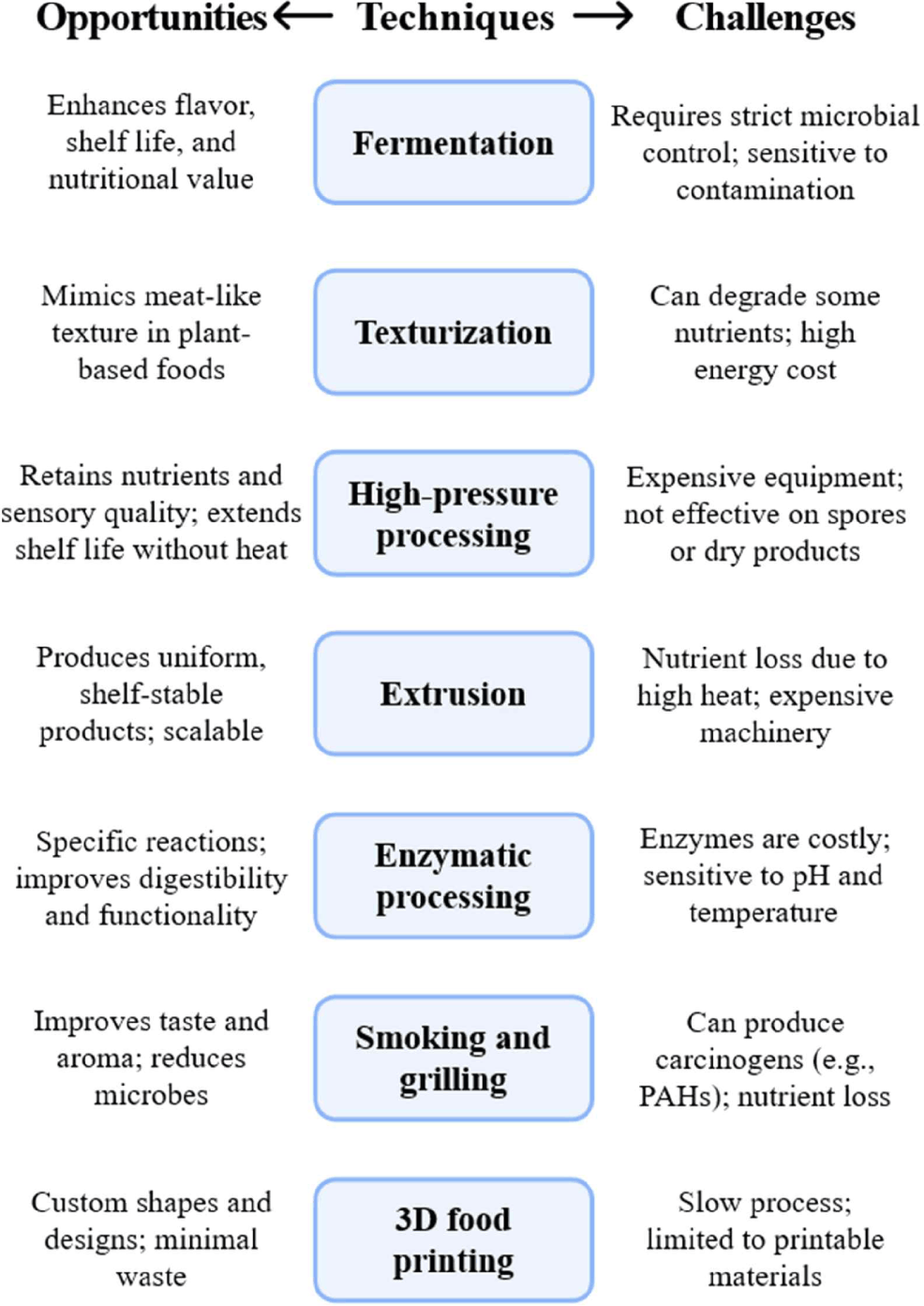
To maximize these opportunities while addressing the technical and regulatory barriers outlined above, future research and policy development should focus on several strategic directions aligned with health, sustainability, and consumer trust (Fig. 3). Research should establish scientific evidence for increased fiber and vitamin D content to substantiate health claims and enable functional labeling. Design of experiments (DOE)-based formulation studies can help balance nutritional efficacy and sensory quality (Jung et al., 2022). Regulatory frameworks such as European community regulation (EC) No 1924/2006 on nutrition and health claims made on foods and European union regulation (EU) 2015/2283 on novel foods should be referenced to facilitate classification of oyster mushrooms within functional food categories. Further development of low-cost drying and powdering technologies is needed to preserve bioactive compounds and improve raw material storage stability (Jung et al., 2022). Such innovations are vital for maintaining product palatability and reliable supply chains. Research should emphasize minimal processing and transparent labeling, ensuring compliance with microbial safety standards (<5.0 Log CFU/g Listeria, Salmonella; Meng et al., 2024). Education and marketing strategies should target flexitarian and eco-conscious consumers, highlighting health, sustainability, and safety aspects. Campaigns must differentiate mushroom-enriched meat products from dietary supplements while reinforcing safety regarding heavy metals, pesticide residues, and mycotoxins. Expanding agro-waste utilization for mushroom cultivation and conducting life cycle assessment (LCA) studies will help quantify environmental benefits (Grimm and Wösten, 2018; Robinson et al., 2019). Integrating these outcomes into regional agriculture–food-linked policy models will create sustainable and economically viable production ecosystems aligned with consumer and regulatory expectations.
Conclusion
This literature review comprehensively examined the development potential and application cases of meat products utilizing oyster mushroom (P. ostreatus), focusing on its nutritional, functional, and technical characteristics. Oyster mushrooms contain high-quality protein, abundant dietary fiber, and bioactive compounds, including antioxidant and antimicrobial functions, which can positively affect nutritional enrichment, fat replacement, oxidation stability improvement, and sensory quality improvement of meat products. Various studies showed that the oyster mushroom addition ratio generally forms optimal technical and sensory balance at approximately 10%–20% levels. At these addition levels, multifaceted improvement effects such as fat content reduction, water holding capacity improvement, and antioxidant capacity increase were observed, with sensory preference also maintained or rather improved in some product categories (e.g., sausages, burgers, chicken patties). Meanwhile, technical limitations and cost challenges related to industrialization, consumer perception issues, and regulatory and labeling requirements remain as elements requiring practical solutions. Particularly, standardized processing technology development, microbiological safety securing, and functional labeling certification system construction will become important research and policy tasks for the commercialization of oyster mushroom-based meat products. Overall, oyster mushrooms are a very promising food ingredient for developing functional meat products and are a strategic resource that can satisfy triple consumer demands of health, sustainability, and sensory quality. Future research and industrial applications will require scientific evidence-based design and convergent approaches to realize these multilayered potentials.


